What are Raptors?
Raptors are also known as birds of prey; they can fly over vast distances and are predatory birds, meaning most of them feed exclusively on the flesh of other animals.
What makes a bird a raptor?
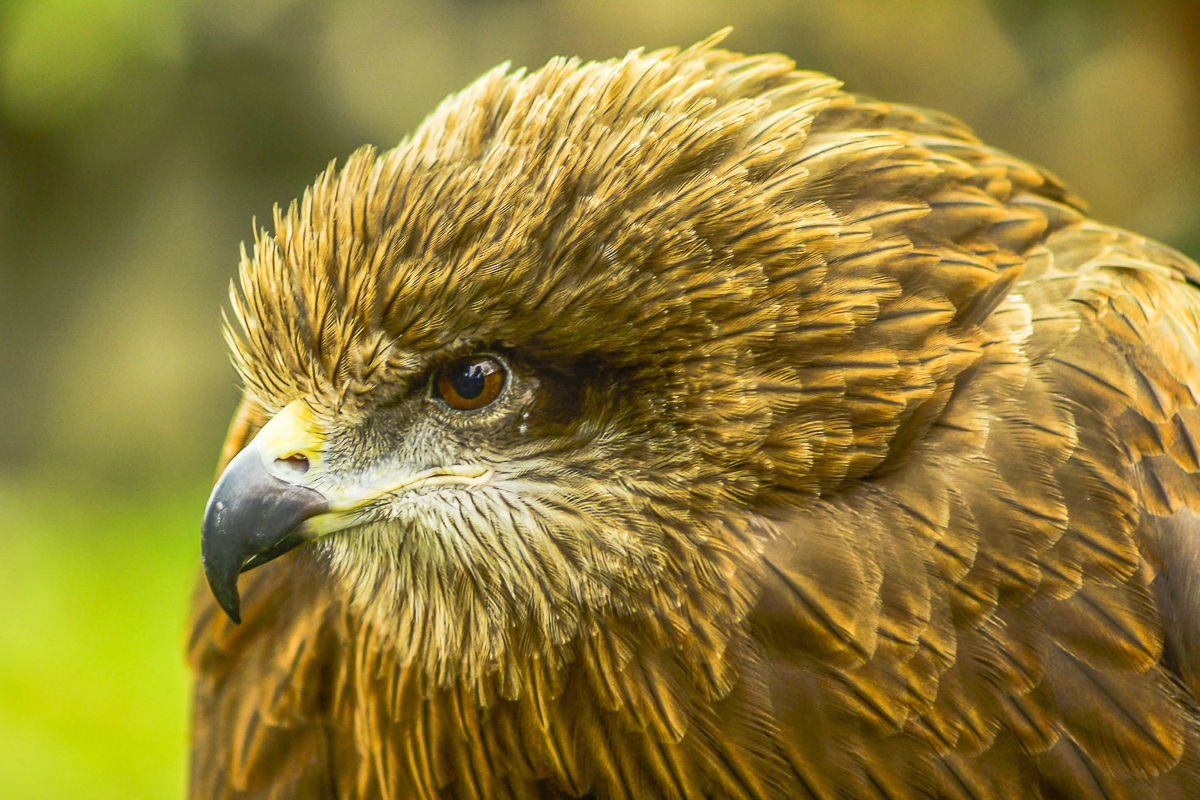
Raptors have hooked beak with sharp cutting edges, sharp and curved talons, very good eyesight (eight times more powerful than human eye), powerful wings and feet, e.g vultures, hawks, eagles, falcons and owls.
What do raptors eat?
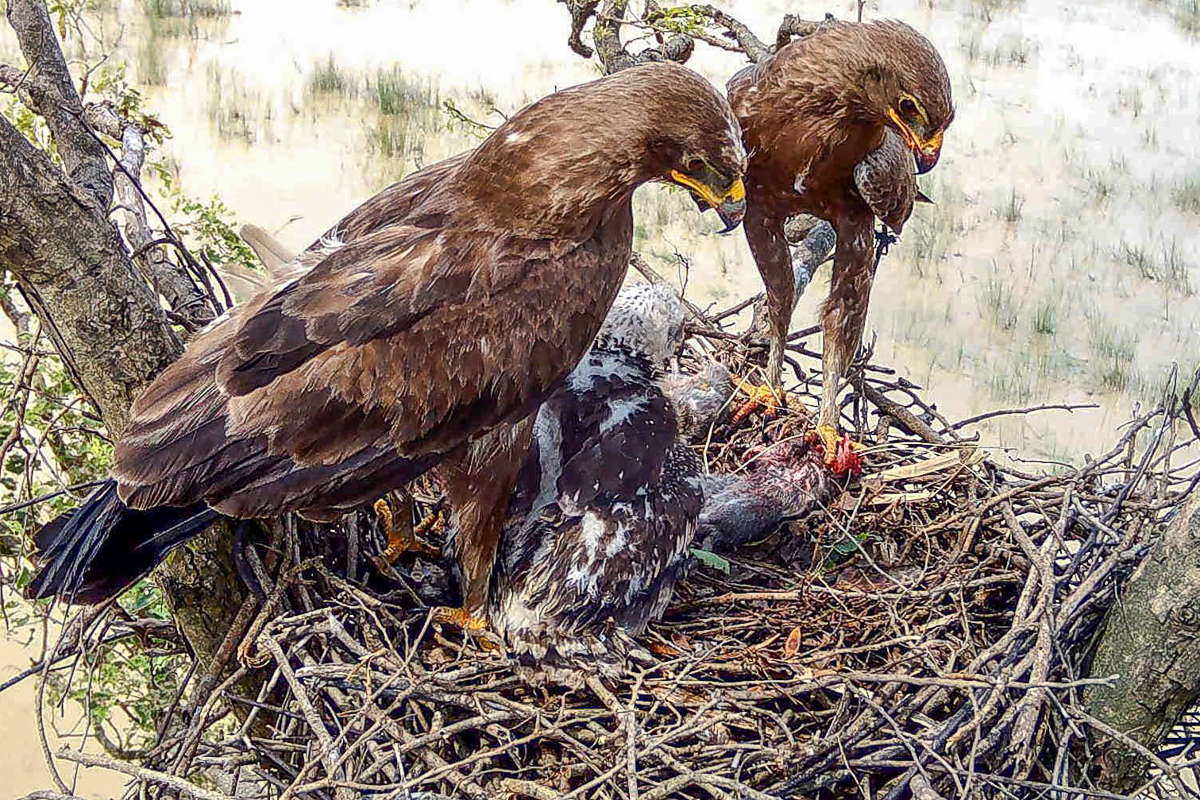
Raptors eat various food items including dead bodies of almost all animals (e.g. vultures), insects; amphibians; reptiles; fish; birds and their eggs and small to medium sized mammals.
Why are raptors important?
-
Raptors are apex predators positioned at the top of the food chain.
-
Any changes in the environment such as impact of habitat loss, pesticides, climate change etc. has first impact to these top predators. There
-
fore, raptors are regarded as indicators of ecosystem health.
-
Study of raptor populations could provide a cost effective and efficient means of detecting environmental changes, that allows us to take immediate actions to protect our environment.
-
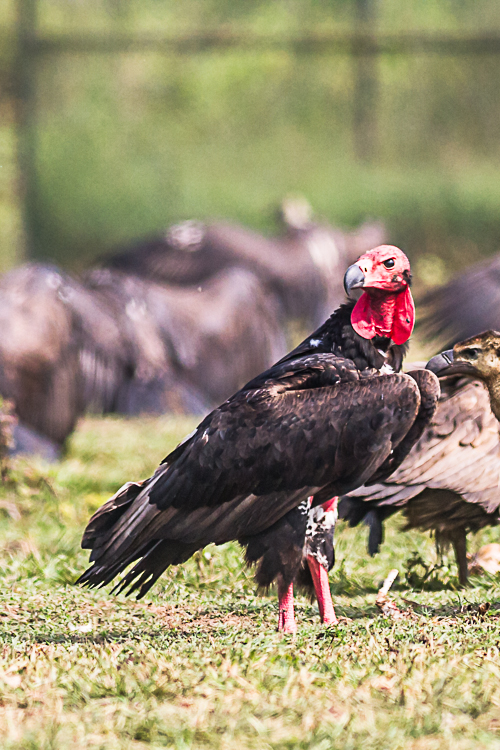
Raptors help us to maintain a healthy environment by consuming animal corpses (e.g. vultures), and by controlling populations of rodents, stray dogs and other pest animals.
-
Being at the top of the food chain, they help keep their biological community in balance by limiting their prey species’ populations.
-
Efficient detectors of Environmental changs.

How are raptors threatened?
Raptors are mainly threatened due to human activities, which include:
Status of raptors in Nepal
-
Nepal is a home to 60 species (19% of the world total) of day time active raptors (vultures, eagles, hawks, falcons) and 23 species of owls
-
11 species (18%) of Nepal’s diurnal raptors are globally threatened (3 species CR, 4 EN and 4 VU) and additionally eight species (13%) are near-threatened.
-
28 species (47%) are nationally threatened (13 species CR, 4 EN and 11 VU) and additionally four species (7%) are near-threatened.