Visit our Raptor Migration Watch Site
Members of Himalayan Raptors have been monitoring the migrating raptors since 2012 from the foothills of the Himalayas; the Thoolakharka watch site. This spot connects trekking routes, including the famous Mardi Himal Trek and Annapurna Base Camp Trek. Thoolakharka is located at 28˚18.188‟ N and 83˚49.788‟ E with an altitude of 2050 m from the sea level.
The Annapurna Himalayan range stretches from east to west, and one can see those majestic mountains smiling every time during our stay. The primary objective of monitoring these raptors is to track the long-term population trends of diurnal raptors, enabling us to better understand the life histories, ecology, and conservation needs of the raptor population in South Asia.
Every year, hawk watchers, wildlife photographers, and raptor biologists from around the globe gather at this watch site to bid farewell to these magnificent birds. Over 33 species of raptors use this flyway; Steppe Eagles and Himalayan Vultures are the most abundant. We also host 7 species of resident raptors, often seen flying as close as 20-80 meters from us.
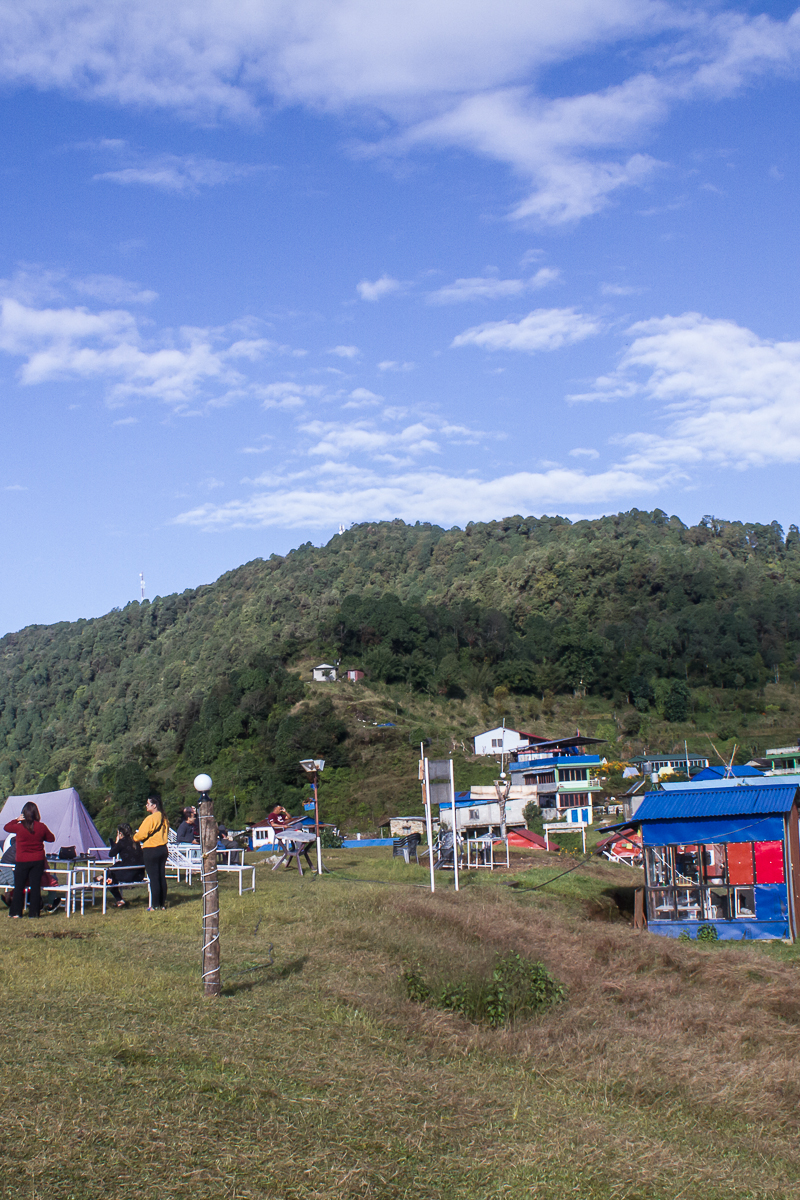

Raptor Expedition (Conservation of Raptors for the people through the people)
Nepal is rich in raptor diversity, hosting 83 species of raptors (both diurnal and nocturnal). This includes resident and migratory species, some of which are rare elsewhere, such as the Egyptian Vulture, White-rumped Vulture, Red-headed Vulture, Himalayan Vulture, Bearded Vulture, and Steppe Eagle.
January and February are the best months to visit and observe these raptors. Our biologists will guide and educate visitors about Himalayan Raptors. Resources generated from the raptor expedition go directly toward raptor conservation.