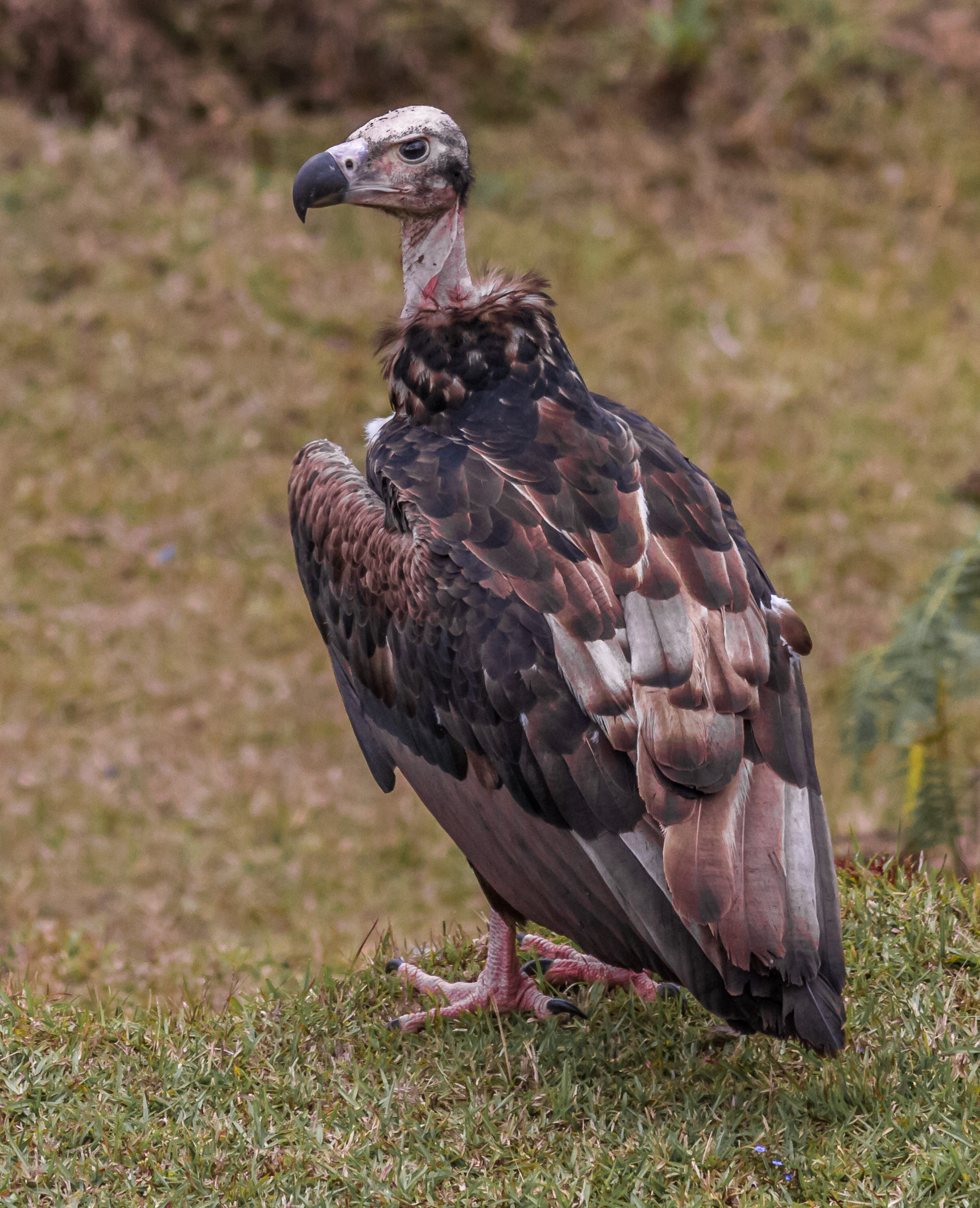
 In a significant step forward for avian conservation, Himalayan Raptors, in collaboration with The Peregrine Fund, has now focused on conserving one of Asia’s most enigmatic and threatened birds of prey: the Red-headed Vulture (Sarcogyps calvus).
While Nepal has earned international acclaim for its pioneering efforts in conserving Gyps species—such as the White-rumped and Slender-billed Vultures—the Red-headed Vulture has historically remained one of the least studied species in the region. Listed as Critically Endangered, this species faces significant threats due to ranges of anthropogenic activities, including habitat fragmentation, electrocution from power infrastructure, and the persistent danger of unintentional poisoning from NSAIDs and contaminated baits.
Bridging the Knowledge Gap
The Vulture Conservation Action Plan (2023–2027), sanctioned by the Government of Nepal, identifies a critical "knowledge gap" regarding the movement ecology and specific habitat requirements of these raptors. To address this, our current initiative utilizes state-of-the-art GPS-GSM technology to collect high-resolution data on their range, foraging behavior, and mortality risks.
2026 Field Operations & Results
Throughout January and February 2026, our expert field team conducted intensive operations across Western Nepal. This region serves as a vital stronghold for the remaining population, yet little is known about how these birds utilize the landscape.
- Successful Tagging: The team successfully captured and processed seven Red-headed Vultures.
- Precision Technology: These individuals were fitted with 50-gram Ornitela GPS-GSM transmitters. These devices are secured using a specialized backpack harness featuring a leather "weak link," designed to ensure the harness eventually falls away safely after the study period.
- Welfare-First Approach: Adhering to strict ethical protocols, each bird was handled with the utmost care to minimize stress, with the entire process—from capture to release—conducted by experienced biologists.
Early Insights and Conservation Impact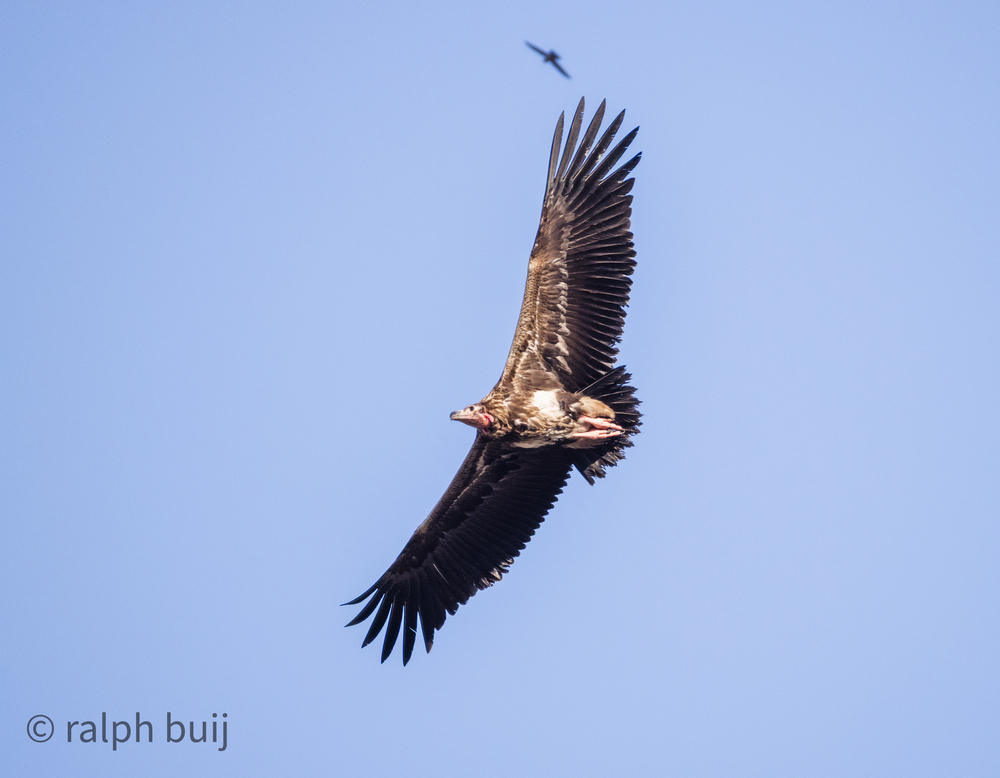
Though the study is in its early stages, the data transmitted thus far has already revealed remarkable movement patterns. These preliminary tracks show the vultures traversing complex terrain, highlighting the vast areas required to sustain even a single individual.
The insights gained from this project will provide the empirical foundation needed to:
1. Map Core Habitats: Identify and protect high-use nesting and foraging sites.
2. Mitigate Threats: Pinpoint specific "hotspots" for electrocution and poisoning to inform targeted interventions.
3. Support National Mandates: Provide the Ministry of Forests and Environment with evidence-based data to refine the national conservation strategy.
This research represents more than just a data collection exercise; it is a lifeline for a species on the brink. By understanding the daily challenges these "Kings of the Sky" face, we can better ensure their shadow remains a permanent fixture over the Nepali landscape.